
Salinas is a tapestry of neighborhoods, each with its own distinct story, but few have as quiet and enduring a charm as Los Padres. Nestled to the south of the city center, Los Padres blends suburban tranquility with echoes of local history, creating a place that feels both deeply rooted and vibrantly alive today. Whether you're strolling along Gabilan Drive, biking past Los Padres Elementary School, or enjoying the open space of nearby parks, you quickly sense there’s much more here than meets the eye.
The Origins of Los Padres
The tapestry begins in the mid-20th century, at a time when Salinas was undergoing steady expansion beyond its original downtown. The Los Padres neighborhood—bordered roughly by West Acacia Street to the north, South Main Street to the east, and extending toward Blanco Road on the south side—was born from that wave of residential development as farmland gave way to family homes and winding streets.
But how did Los Padres get its name? The story reaches farther back into California history. "Los Padres" means "The Fathers" in Spanish, a nod to the Franciscan padres, or missionaries, who journeyed up and down the California coast in the late 1700s and early 1800s. Many landmarks in the region, including the sprawling Los Padres National Forest just south of the Salinas Valley, bear the moniker as tribute to these early missionaries. The neighborhood's name connects local families to that broader heritage, tying the new with the old.
Key Historical Milestones
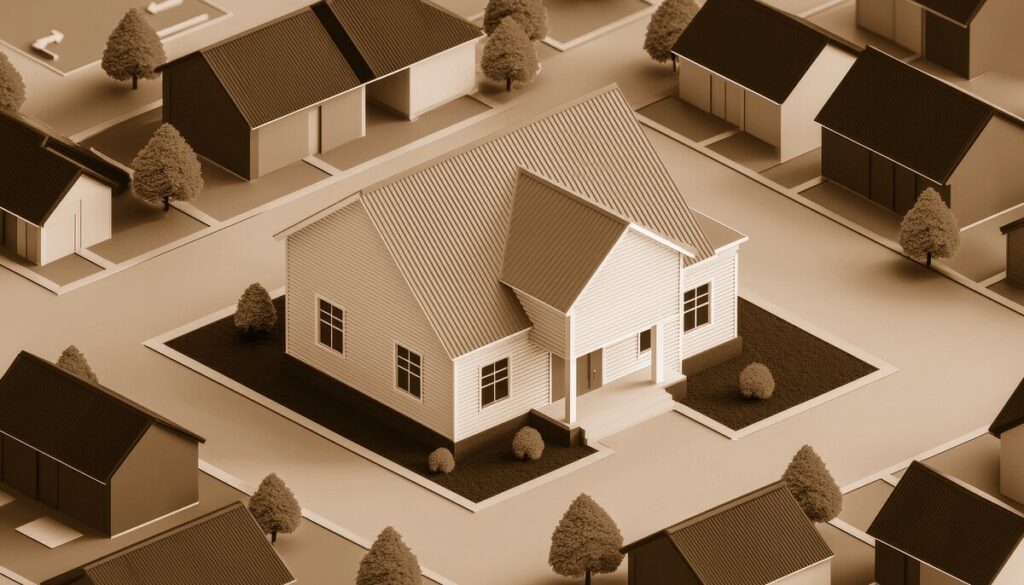
The growth of Los Padres closely tracked Salinas’ post-war boom. By the late 1950s and early 1960s, the area was filling in with single-story ranch homes, designed to suit the mild climate and family-oriented ethos of the time. Maple, Fir, Alder, and Spruce Streets became lined with tidy lawns and the shade of maturing trees, while neighbors forged tight bonds that remain strong decades later.
- In 1957, Los Padres Elementary School opened its doors, quickly becoming a cornerstone of the community. Generations of children have grown up walking or biking to school, joining in festivals, science fairs, and field days.
- The creation of Hartnell Park brought green spaces and playgrounds to local families. Its ballfields and picnic areas have hosted countless birthday parties, little league games, and summer barbecues.
- By the 1970s, the nearby Salinas Valley Memorial Hospital had expanded, and more professionals began settling in the area, raising families and contributing to a community that values both heritage and progress.
Notable Landmarks and Institutions
While Los Padres is primarily residential, its landmarks and gathering spots give it a unique identity:
- Los Padres Elementary School: Located on Los Padres Avenue, the school is more than an institution—it’s a source of pride. Its centrally situated playgrounds and halls have echoed with decades of children’s laughter, and its annual events still draw families together.
- Hartnell Park: At the heart of the neighborhood, this well-loved green space features expansive lawns, play structures, and mature trees. Walkers and runners often circle the fields in the calm of early morning, while weekends bring the joyful noise of soccer games and family picnics.
- Streets like Gabilan Drive and Hill Circle: These main thoroughfares cut through the neighborhood, hosting block parties, trick-or-treating, and spontaneous basketball games—fostering the sense of a truly lived-in place.
- Proximity to South Main Street: Though not technically within Los Padres’ boundaries, the nearby corridor of South Main bubbles with shops, restaurants, and small businesses, making it an easy stroll for a latte or a slice of pizza after school.
Changing Times: Evolution Across the Decades
If you talk to longtime residents, they’ll tell you that Los Padres has changed alongside Salinas itself, but in gentle, thoughtful ways. Yards are tended with care—sometimes revealing fascinating old citrus trees or vestiges of the original farm landscapes upon which the streets were built. While some original ranch-style homes have seen updates and fresh paint, the overall scale and spirit remain unchanged, favoring a sense of neighborliness over the hustle of newer developments.
Over recent decades, Los Padres has welcomed a new generation of families, including many who chose to remain in Salinas after growing up here. The neighborhood’s diversity has grown richer, reflecting the broader tapestry of the city and valley.
Community traditions, like annual yard sales and neighborhood picnics at Hartnell Park, guarantee that everyone gets to know each other, keeping Los Padres close-knit. And the local school remains a vital hub, offering after-school programs and educational nights that strengthen community ties.
Looking Forward: A Heritage That Endures
Los Padres stands as an example of how neighborhoods can balance cherished history with a bright, inclusive future. Neighbors take pride in the fact that, even as Salinas has grown into a bustling regional center, their corner still feels a step removed—a sanctuary of block parties, mature trees, friendly waves, and memories that stretch across generations.
Ask any resident what makes Los Padres special, and you’re likely to hear stories not just of past decades, but of today: spirited little league games, autumn leaves on Fir Street, children building forts in backyard trees. It’s in these everyday moments that the legacy of Los Padres is written—a history not just of buildings or landmarks, but of families, friendships, and the timeless power of community.
Take a walk through Los Padres some quiet evening, and let the golden light slant through the trees. You’ll feel the heart of a neighborhood that remembers where it’s been, cherishes where it is, and looks forward with hope to all the seasons yet to come.